


 English
  العربية
  Русский
 June 24, 2026
Moving to Sweden offers the opportunity to settle in a highly developed European country that ranks 13 globally in quality of life in 2026, according to independent data from Numbeo. The country’s strengths include competitive salaries, ease of doing business, and a variety of investor programs for startups. Sweden receives top scores in categories such as “Purchasing Power,” “Environmental Quality,” and “Personal and Public Safety.” The Kingdom of Sweden also boasts highly developed healthcare and education systems.
Reasons to Choose Sweden for Relocation
The main argument in favor of immigrating to Sweden is the real prospect of improving your standard of living. The average resident of the kingdom earns approximately EUR 40,000 per year, more than in many other countries in Europe and around the world. At the same time, according to Numbeo calculations, in 2026 a single person needs about EUR 930 per month to cover basic living expenses in the country (excluding rent). Local residents can afford everything necessary for everyday comfort, even while working in positions that are not considered highly sought-after. Other advantages of relocating include:
- Strong Labor Market.
Foreign nationals with different levels of education and qualifications have good employment prospects in Sweden. There is no concept of a statutory minimum wage in the country, but even without special skills or knowledge of the language, it is possible to earn from EUR 2,000 per month on average. Highly demanded specialists, especially in IT, healthcare, engineering, and green technologies, often earn EUR 5,000–6,000 or more. - Rapid Economic Growth.
Sweden’s average GDP per capita is around EUR 55,000, and this figure continues to grow over time. Such growth reflects economic stability and strengthening, with much of the economy built on manufacturing, information technology, and environmental innovation. This is particularly important for immigrants planning to move to Sweden to establish or expand a business. - Low Cost of Living.
Prices for groceries, utilities, transportation, and other everyday expenses in Sweden are roughly comparable to those in other Northern and Western European countries. At the same time, high household incomes help offset periodic inflation, while comprehensive government support ensures that residents feel protected against unforeseen circumstances. - Modern Infrastructure.
Even smaller Swedish cities are excellent choices for relocation, as they offer everything needed for a comfortable life for people with diverse needs. The country has no issues with overcrowded parking areas, and extensive cycling paths, parks, and pedestrian zones are available. The state transport agency Trafikverket responds efficiently to public needs and reorganizes infrastructure in line with demand. - Advanced Healthcare System.
According to Numbeo, Sweden’s healthcare index stands at 68.09 points in 2026, classified as “High.” Many healthcare services are funded by the government, including emergency care. Residents may purchase a special insurance policy known as Sjuk- och olycksfallsförsäkring and receive financial compensation in the event of injuries or prolonged illnesses. - High-Quality and Prestigious Education.
In the Legatum Prosperity Index, Sweden ranks 2nd out of 167 countries worldwide in the category of “Education Access, Quality, and Outcomes.” Local colleges and universities offer tuition-free study opportunities as well as grants and scholarships for talented students. Swedish diplomas are recognized worldwide and generally do not require additional recognition procedures within the EU. - Strong Social Guarantees.
Sweden grants all residents, including legal immigrants, the right to apply for various social benefits. Financial support is available for childcare, unemployment, and temporary disability, among other situations. The kingdom provides state-funded child support payments, child allowances, old-age pensions, disability benefits, and survivor pensions. Residents may also qualify for housing subsidies and rental assistance.
With the support of immigration specialists, you can obtain all the rights of a Swedish citizen within just a year after contacting our company. To learn more about the possibility of obtaining a second passport in the European Union, book a free legal consultation.
Main Stages of Moving to Sweden
To move to Sweden, you first need to determine the basis that will allow you to legalize your stay in the country. Depending on your situation, you may obtain a long-term visa, a residence permit, or relocate without additional requirements as an EU citizen. You will need to verify that you meet the eligibility criteria of the selected program, prepare the required documentation, apply to the authorities for an immigration document, and wait for the decision.
Choosing a Basis for Relocation
To move to Sweden and stay for the long term, you must have the right to temporary residence in the kingdom. This right is granted through a residence permit, which can be obtained on the following grounds:
- Employment.
Moving to Sweden is possible for those who sign an employment contract with a private or public organization. In most cases, vacancies are offered to foreign nationals only if no suitable candidate from the European Union has applied. In addition, applicants are generally expected to know the Swedish language, possess relevant education and work experience, and receive a salary that is at least 80% of the national average. - Starting a Business.
Residence permits are granted to foreign nationals who already have successful entrepreneurial experience and wish to implement a new business plan in Sweden. To relocate on this basis, applicants must demonstrate knowledge of Swedish or English, possess sufficient funds to implement the business idea, and have startup capital for self-support, starting from approximately EUR 18,454 in a bank account within the country. - Highly Qualified Employment.
Like other EU countries, Sweden issues the EU Blue Card, a residence permit for highly qualified professionals who sign an employment contract with a local company for at least 12 months and receive a salary equal to at least 150% of the national average. The permit is available to applicants with at least five years of relevant professional experience and a university degree in the corresponding field. With an EU Blue Card, you may relocate to Sweden together with your family members immediately. - Education.
One of the most common relocation options is enrollment in a Swedish university, college, or academy. Residence permits are also available to participants in student exchange programs and professional training courses. Applicants must pay tuition fees and have sufficient funds for self-support (approximately EUR 1,000 per month). This type of residence permit does not lead directly to permanent residence, but after graduation, it is possible to obtain a new residence permit for job seeking or business activities in order to remain in the country. - Family Reunification.
The right to reside in Sweden is available to spouses and children of Swedish citizens and residents. In some cases, reunification may also be approved with other relatives, such as elderly parents or children over the age of 18, if it can be proven that the person requires care or is financially dependent on the sponsor. To obtain a residence permit, the family member residing in Sweden must provide accommodation and assume responsibility for the applicant’s financial support. - Humanitarian Grounds.
Emigration to Sweden is possible for individuals who can prove that they cannot remain in their home country due to threats to their life or health. For example, refugee status may be granted to persons who have fled armed conflict or persecution based on political, religious, racial, or other grounds. Merely stating the reason for departure is not sufficient; it must be supported by all available evidence and documentation to convince the immigration authorities of the legitimacy of the claim. - Other Grounds.
Less common relocation routes include participation in scientific research, intra-corporate transfers within international companies, and work with official religious organizations in Sweden. In each case, applicants must provide documentary evidence of their planned activities, possess relevant qualifications and experience, and demonstrate the ability to support themselves financially without relying on social assistance.
Preparation of Required Documents
Depending on the immigration program you choose to move to Sweden, you may need the following documents:
- a valid international passport from your country of citizenship;
- an application form completed in Swedish;
- proof of the reason for long-term stay (for example, an employment contract or a marriage certificate with a Swedish citizen);
- an EU-standard health insurance policy;
- proof of payment of the administrative fee;
- evidence of financial means (income certificate, bank account statement);
- civil status documents (birth, marriage, or divorce certificates);
- proof of ownership or rental of accommodation in the kingdom.
The basic application package is supplemented with documents corresponding to the reason for moving to Sweden. For example, in the case of business immigration or employment, it is necessary to provide proof of professional experience and relevant education.
Application Submission and Residence Permit Issuance
A Swedish residence permit can be applied for online through the Swedish Migration Agency’s website, but in any case, you will need to visit a diplomatic mission in your country. During the appointment, you submit original documents, complete the application form, attend an interview with a consular officer, and provide biometric data. For a work permit, the agency allows digital passport verification through an application if the applicant is from a visa-free country. Biometrics for the residence permit card may be submitted in Sweden after entry. You will also need to pay a government fee ranging from EUR 138 to EUR 203, depending on the type of residence permit, as well as an additional EUR 90 for a visa (if required).
You then wait for a decision, which on average takes from one month to two years, depending on your circumstances. If the application is approved, you receive a residence permit card and may immigrate to Sweden.
Relocating to Sweden is much easier and faster with a passport from any other European Union country. For example, Slovenia, Romania, and Bulgaria offer citizenship through simplified procedures, without investments, residence requirements, or integration examinations. Check your eligibility for an EU passport with the assistance of an international immigration lawyer.

Visa and Immigration Features
Sweden does not require applicants to obtain a national visa before relocating. You may enter the kingdom under a visa-free regime (depending on your citizenship) and apply for a residence permit while already in the country through the Swedish Migration Agency. Applications are also accepted from individuals staying in Sweden on a Schengen visa. If you reside abroad and do not have the right to enter Sweden freely, you must first apply for a residence permit and, once approved, obtain the corresponding entry authorization.
The process of obtaining a Swedish residence permit can be summarized as follows:
- Submit an online application or schedule an appointment at a consulate or embassy.
- Pay the administrative fee and prepare the original documents.
- Submit the application in person at the diplomatic mission.
- Attend an interview and provide biometric data for the residence permit.
- Wait for the decision and receive either approval together with an entry visa or the residence permit itself.
- If required, travel to Sweden with the visa and obtain the residence permit card through the migration authorities.
The procedure may vary depending on the type of residence permit requested. For example, if you plan to work in Sweden, the employer must first handle part of the process by obtaining approval from the Swedish Public Employment Service to hire a foreign worker. If you are already legally present in the kingdom, you may apply directly to the Swedish Migration Agency (online or in person) for a residence permit card.
Requirements for Permanent Residence and Swedish Citizenship
If you wish to remain in Sweden permanently, you must first spend at least five years in the kingdom legally with a temporary residence permit. Your residence permit must be immigration-oriented, meaning it was issued for long-term purposes such as employment, business activities, family reunification, humanitarian grounds, or professional and highly qualified work. Permanent residence is granted to applicants who have a stable and lawful source of income, have not committed offenses in Sweden, and do not pose a threat to the state.
You may also apply for Swedish citizenship through naturalization after five years of lawful residence in the country. Mandatory requirements include holding permanent residence status, having no outstanding child support or tax debts, no criminal convictions, and no violations of the law. Spouses of Swedish citizens may apply for a Swedish passport after three years of residence in the kingdom, provided that the marriage has existed for at least 24 months.
Life in Sweden: Reviews and Practical Information
Before relocating to Sweden, it is advisable to choose a city that aligns with your lifestyle and future plans. The most popular destinations among immigrants are:
- Stockholm.
The capital and most populous city of Sweden is also its economic, cultural, and educational center. The absence of heavy industry makes Stockholm one of the cleanest cities in the world. The local economy is primarily based on the service sector, while employment opportunities are also available in finance, banking, and information technology. World-renowned educational institutions include the Karolinska Institute, Stockholm University, and the Royal Institute of Technology. The average salary in Stockholm before taxes is EUR 3,313, while apartment rental prices start at approximately EUR 1,000 per month. - Malmö.
Sweden’s third-largest city is located in the southern region of Skåne and is connected to Copenhagen, the capital of Denmark, by the Øresund Bridge. These factors explain why Malmö is one of Scandinavia’s most important transportation hubs, industrial centers, and logistics gateways. The city also has a strong maritime and shipbuilding sector due to its numerous ports. The average salary in Malmö is approximately EUR 2,880, while renting a one-bedroom apartment starts at around EUR 764 per month. - Gothenburg. The largest city in Sweden by area is located in the southwest and serves as one of the kingdom’s principal industrial centers. Gothenburg hosts the headquarters and production facilities of major companies such as Volvo, SKF, and Victor Hasselblad AB. The city is also a popular destination for students attending prestigious institutions such as the University of Gothenburg, Chalmers University of Technology, and the Valand Academy of Art and Design. The average local salary is around EUR 3,990, while rental prices begin at approximately EUR 700 per month.
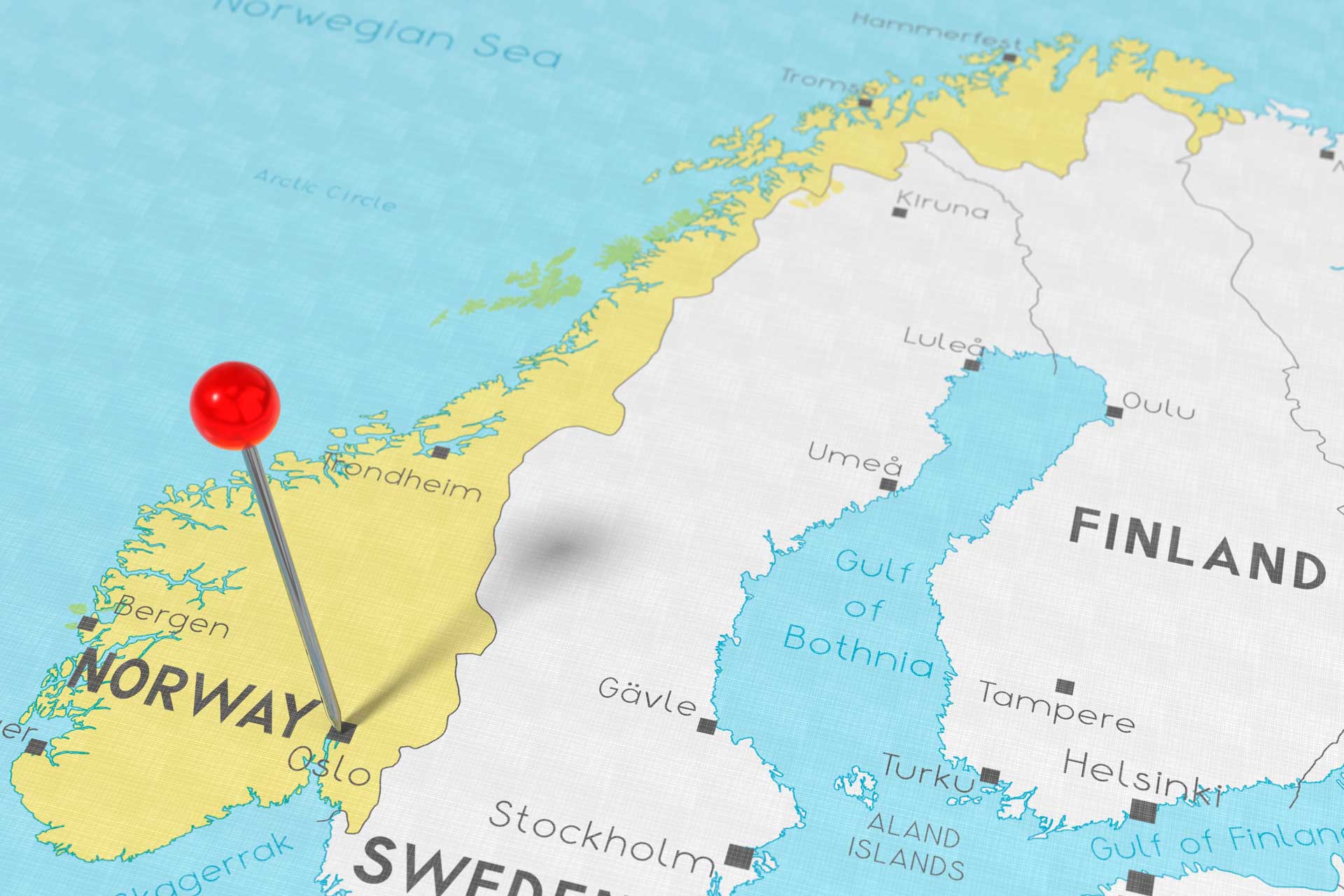
Based on the experiences of foreigners who have moved to Sweden, it can be concluded that the vast majority choose to live in the southern regions of the kingdom. This is because the northern part of the country lies beyond the Arctic Circle, is sparsely populated, and features a harsh subarctic climate with numerous mountain and valley glaciers. Immigration to these northern areas is generally limited to people whose professions are directly connected to the region, such as geologists and environmental specialists.
Advantages and Disadvantages of Moving to Sweden
Sweden is rightly considered one of the most comfortable countries for living and immigration, as confirmed by international rankings. The average salary is approximately three times higher than the basic living expenses of a single person, and residents can rely on government financial support when needed. The kingdom has a highly effective healthcare system, reflected in the average life expectancy of 84 years. Other advantages include a high GDP, quality and affordable education, and a low crime rate.
At the same time, moving to Sweden involves certain challenges, the main one being the legalization process. Opportunities for obtaining a residence permit in the kingdom are limited. For example, work permits and business-related residence permits are generally issued only to applicants who demonstrate sufficient language proficiency and possess skills that are in demand. Other disadvantages include a relatively high level of bureaucracy within public institutions, waiting times in healthcare facilities, and a shortage of affordable housing. The cost of living in Sweden is high; however, this is offset by competitive salaries and strong purchasing power among residents.
Immigration lawyers can help determine the most suitable route for relocating to Sweden. Step-by-step support from a dedicated specialist provides confidence throughout the process and increases the likelihood of successfully obtaining the necessary documents for residence in the Nordic kingdom.
How to Simplify the Immigration Process to Sweden
To move permanently to Sweden with minimal difficulties, it is advisable to seek assistance from specialists in international immigration law. Experienced lawyers will review your case and supporting documents and recommend the most suitable immigration programs, without lengthy waiting periods, substantial financial investments, or the need to learn a foreign language in advance. Specialists will explain the advantages and disadvantages of the available options so that you can choose the solution that best suits your personal circumstances.
Professional support throughout every stage of the relocation process, including document preparation, minimizes the risk of mistakes and significantly reduces stress during immigration to Sweden. Depending on your situation, you may be able to obtain residence status or even citizenship of a European Union country, together with nearly all the rights and privileges enjoyed by Swedish citizens. Schedule a free consultation today to bring your dream of immigrating to Sweden one step closer.


Richard Appiah
Country:Ghana. Town:Adansi Apagya. Qualification:Degree. Please,kindly help me to get my blue card. Please, I want to live and work in Sweden. Thank you.
Lukas Meier
Thank you for your interest in working and living in Sweden. Please leave a request for a consultation so an immigration specialist can review your qualifications and employment plans and assess whether the EU Blue Card or another Swedish work permit may suit your situation.