

 English
 العربية
 Русский
November 06, 2026
Foreign entrepreneurs can establish companies in EU countries, but company ownership and immigration status are separate legal issues. Registering a company does not automatically grant a founder the right to live or work in that country. A non-EU founder who plans to relocate must qualify separately for a national residence route, such as a self-employed, entrepreneur, startup or investor permit. Company formation, taxation, licensing and immigration therefore need to be assessed together.
Business in Europe has good prospects for growth and expansion on the territory of the association. Citizens and residents of EU countries, foreign investors, as well as entrepreneurs realizing successful business ideas can open a company in the EU. Further in the article we will talk about the process of company registration, peculiarities and difficulties of working in the European Union.
Advantages of doing business in Europe
Opening your own company in the EU is a rather labor-intensive process, but many entrepreneurs from outside the association are striving to launch a European business, as this is facilitated by a number of positive factors:
- stable and predictable economic environment, which is favorable for long-term and large-scale investments;
- developed communication, energy and transportation infrastructure, which determines business efficiency;
- high standard of living of the population, which ensures the necessary solvency of consumers;
- the possibility for any company in the EU to find its potential customers on the pan-European market;
- high reputation of companies registered in the EU, which contributes to the formation of a positive image of a new enterprise;
- possible access to entrepreneur or startup residence routes where national immigration law provides one; company ownership by itself does not create an automatic right to residence or citizenship.
Business registration in Europe
There is no single EU-wide incorporation procedure. Company law, minimum capital, directors, registered-office rules, beneficial-owner disclosure, licensing, tax registration and filing obligations are set mainly at national level. EU law harmonises parts of the framework, but founders must still follow the rules of the Member State in which the company is formed:
- Gathering information and choosing a country.
It is necessary to familiarize yourself with the conditions and rules of doing business in different EU countries, which will help you decide where it will be easier and more profitable to start a business. In addition, you should learn about the requirements for immigrant entrepreneurs in order to exclude unavailable or difficult to implement options. - Selecting the legal form of organization and company name.
Limited-liability companies are common across Europe, but their names, capital requirements and governance rules differ by country. Minimum capital is not universally €1: for example, an Estonian OÜ may be formed with share capital from €0.01 per shareholder, while other jurisdictions require materially higher amounts. The legal form should be chosen according to liability, tax, investor and financing needs. - Collecting a package of documents and obtaining a long-term visa (usually type D).
A generic “EU business visa” does not exist. A founder may often own or register a company without becoming resident, while a non-EU national who wants to live and work in the country must qualify for the relevant national immigration route. Depending on the state and the project, this may be a startup, self-employed, entrepreneur or other residence permit; a national D visa may be only an entry document issued after or alongside immigration approval. - Obtaining a VAT identification number.
VAT registration is not automatically required for every newly created company. The obligation depends on national turnover thresholds, the type of supplies and whether the business carries out cross-border or digital transactions. From 1 January 2025, the EU cross-border SME VAT scheme may allow eligible EU-established small businesses with Union-wide annual turnover not exceeding €100,000 to use VAT exemption in participating Member States, subject to national thresholds and conditions. - Finding premises for the office and registering the address.
One of the conditions for registering a company in the EU is to have a legal address of the enterprise in the country. The office can be located in a premises that is rented, provided for use under the owner’s power of attorney or is in your ownership. - Opening a local bank account.
A local bank account is not an EU-wide incorporation requirement in every country. Some companies need an account to pay share capital or taxes, but national rules and company registries differ, and payment institutions may sometimes be used. In practice, founders should plan for KYC/AML checks, proof of business activity, source-of-funds documentation and possible local substance requirements when opening an account. - Company registration.
Company registration is handled by national business or commercial registers. Online incorporation is increasingly available, but the possibility of remote registration, electronic identification, local representation and personal presence varies by country. Requirements for shareholders, directors, legal address and beneficial-owner disclosure must therefore be checked locally.
Licences and permits are generally required only for regulated activities. They may apply before or after incorporation depending on the sector, for example financial services, transport, food, healthcare, construction, energy or certain professional services.
You can learn about alternative ways of moving to the territory of the association to start a business and reside permanently during a free consultation with the company’s specialists. Fill out the form on the website to be contacted by migration lawyers to provide you with all the information you need.
Required documents for foreigners
There is no single EU-wide document list for a private limited company. Depending on the country, founders may need the following documents and information:
- passport of the founder/s;
- proof of residence address of the founder/s, issued not more than 3 months ago;
- a document on the right to use the registered office address (property ownership certificate, power of attorney from the owner or a copy of the lease agreement);
- corporate documents of a shareholder that is itself a legal entity, where applicable;
- articles or memorandum of association, details of directors and shareholders, and beneficial-owner information required under national AML rules.
Another format of doing business in the EU is a branch of a company (non-legal entity) operating abroad. The package of documents for registration of such a company includes:
- passport and proof of residence address not older than 3 months (for all authorized representatives of the branch);
- minutes of the general meeting of shareholders of the main company on the decision to register the branch abroad;
- extract from the Commercial Register of the main company, issued not more than one month ago;
- articles of association and memorandum of association of the main company;
- a certificate of authority of the foreign company with the details of the directors and representatives;
- proof of legal use of the office at the registered address (certificate of ownership, power of attorney or copy of the lease agreement).
Terms and expenses of business registration
Registration costs and timing vary widely by jurisdiction and legal form. The fixed figures below should not be treated as EU-wide government fees. For 2026 planning, founders should separate official registry fees, share capital, legal/accounting support, registered-office costs, translations, licences, banking and immigration expenses.
| Cost / timing item | EU-wide fixed amount? | 2026 guidance |
| Company registration | No | Depends on country and legal form; online registration may take from same day to several weeks. |
| Share capital | No | Ranges from nominal amounts in some states to substantial statutory minimums in others. |
| VAT registration | No | May be free as a tax registration; obligation depends on turnover and activity. |
| Registered office / contact person | No | May be mandatory; annual service cost depends on country and provider. |
| Legal, accounting, translation and licence costs | Budget separately according to sector, documents and local compliance. |
Buying a ready-made business in the EU
In addition to opening a new company in the territory of the European Union there is a possibility to buy a ready-made company – this solution has its own advantages:
- saving resources – the time and financial resources required to launch the enterprise are significantly reduced;
- risk reduction – the entrepreneur avoids most of the worries that arise when starting a business, hiring staff, and obtaining licenses;
- acquisition of a ready base – the existing company already has customers and their positive feedback, reliable suppliers, as well as a reputation in the market.
The stages of acquiring a ready and functioning business in the EU are:
- Search for a suitable company.
You can find a company for purchase with the help of business brokers, as well as by attending industry events or using online platforms where operating European businesses are sold. - Performing an audit.
Financial statements, tax returns, bank statements, contracts with suppliers and customers, licenses and ownership should be analyzed. Attention should be paid to the presence of debt obligations and their repayment, legal disputes, property seizures. - Performing a valuation.
When investing in an existing company, it is important to understand what resources you are getting at your disposal. This may be real estate, equipment, intellectual property and other assets. - Negotiating terms.
During negotiations with the owner of the enterprise it is important to determine the purchase price, taking into account the financial condition of the company, the market situation and development prospects. Upon reaching an agreement, a purchase and sale agreement is drawn up, the method of payment and the terms of transferring the business into your ownership are determined. - Carrying out and registration of the transaction.
The legal mechanics of transferring an existing company depend on the jurisdiction and the asset/share structure. Not every transaction requires notarisation. Before closing, buyers should verify ownership, tax liabilities, employees, litigation, licences, beneficial owners, sanctions exposure and whether regulatory approval is needed.
Popular countries for doing business in Europe
The World Bank discontinued its former Doing Business ranking, so it should not be used as a current 2026 league table. A better comparison looks at incorporation, tax, digital administration, access to banking and funding, labour costs, substance requirements and immigration needs. Estonia, Ireland, the Netherlands, Denmark, Sweden, Lithuania and Latvia are frequently considered by international founders, but the best jurisdiction depends on where the business is actually managed, where customers and staff are located, and where the founders are tax resident.
Denmark
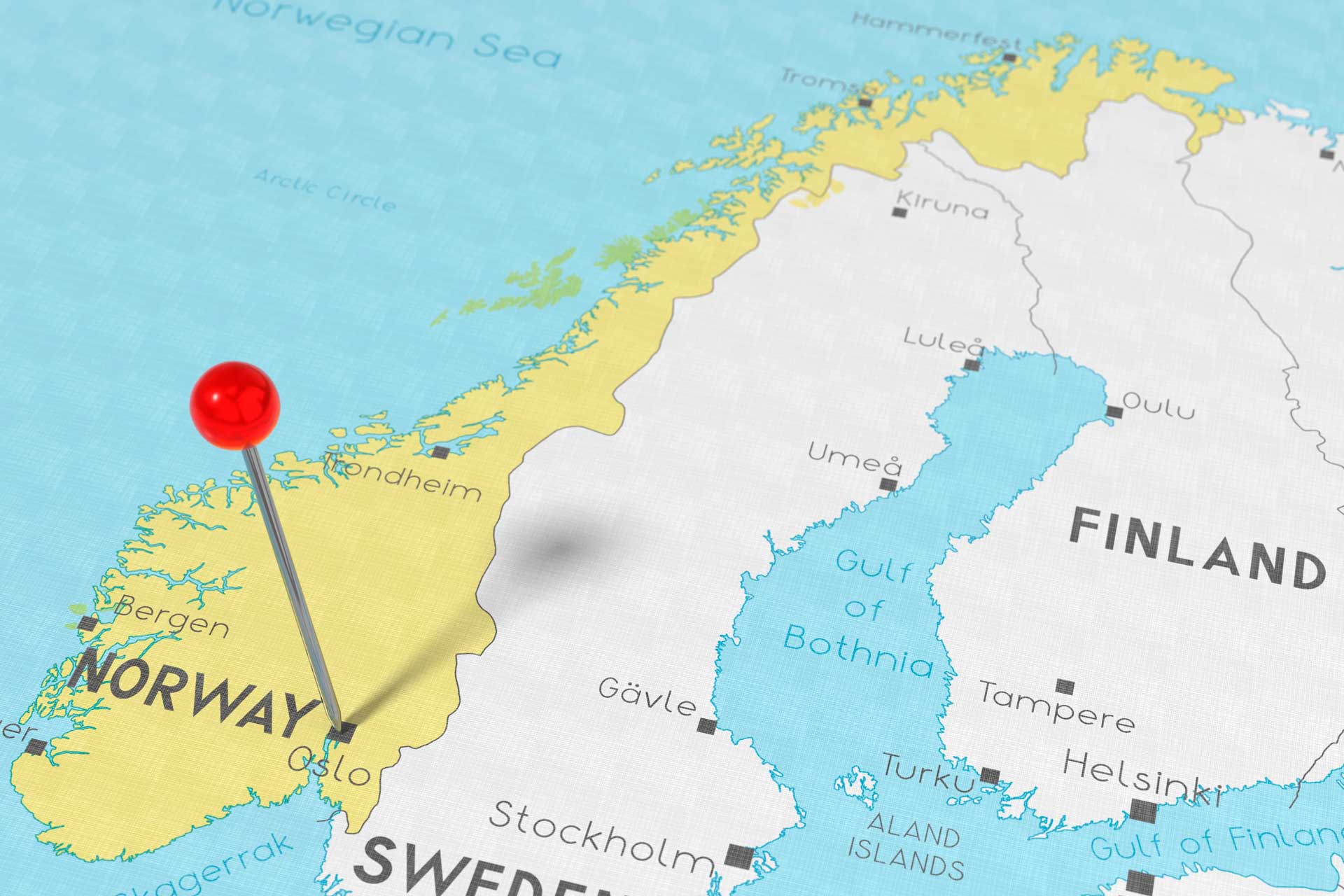
Denmark offers strong digital administration, infrastructure and access to the Nordic market. The general corporation tax rate is 22% in 2026. Non-EU/EEA founders who plan to live in Denmark need an appropriate immigration basis; company registration alone does not create residence rights.
Sweden
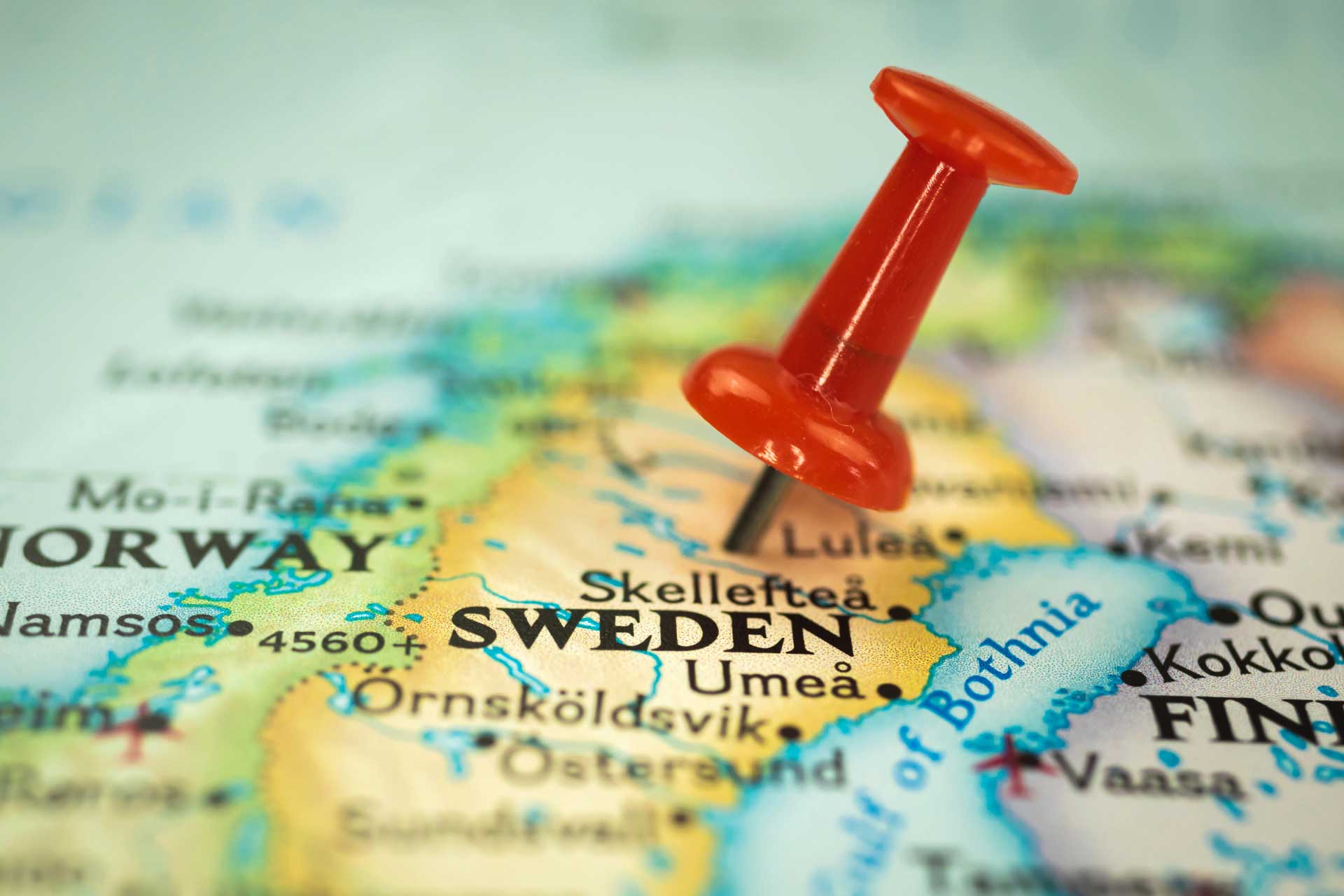
Sweden combines a mature innovation ecosystem with access to skilled labour. The corporate income tax rate for legal persons is 20.6% in 2026. Foreign founders must also account for payroll costs: the standard employer contribution is 31.42%, although temporary reductions apply to certain younger employees in 2026-2027.
Lithuania
Lithuania remains attractive for Baltic and Central European operations and has strong fintech and startup ecosystems. From 2026, the standard corporate income tax rate is 17%. Qualifying small companies may access reduced rates, including 0% for the first two tax periods and 7% thereafter if statutory conditions are met.
Estonia
Estonia is one of Europe’s most digital business environments. E-Residency allows eligible non-residents to establish and manage an Estonian company online, but it does not grant physical residence, citizenship, tax residence or a right to enter Estonia. In 2026, an OÜ can have share capital from €0.01 per shareholder; the e-Residency application fee is €150 and online OÜ registration is €265. Estonia taxes distributed corporate profits at 22/78, while retained and reinvested profits generally are not taxed at company level.
Latvia
Latvia also uses a distribution-based corporate tax model: reinvested profit is generally not subject to corporate income tax, while distributed or deemed-distributed profit is taxed under the Latvian CIT system. This can suit businesses that intend to reinvest earnings, but founders should compare payroll, VAT, substance and dividend rules before choosing the jurisdiction.
Netherlands
The Netherlands is a strong all-round base for EU trade, SaaS, e-commerce and international structures. In 2026, corporate income tax is 19% on taxable profit up to €200,000 and 25.8% above that amount. Incorporation, payroll, VAT, substance and the tax position of director-shareholders should be modelled before choosing a Dutch BV.
Ireland
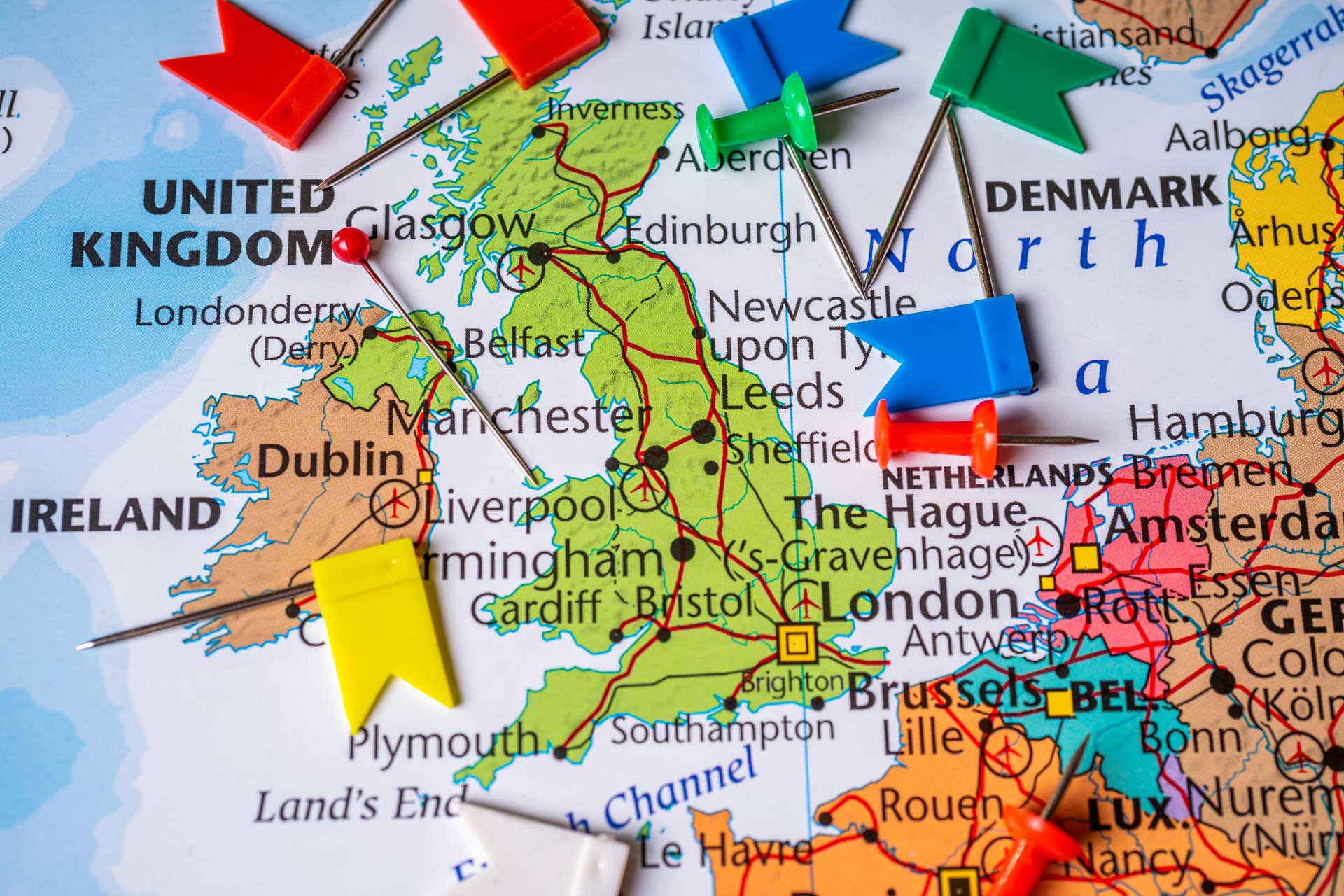
Ireland is especially relevant for technology and internationally oriented businesses. The standard corporation tax rate on trading income is 12.5%, while non-trading income is generally taxed at 25%. The effective position can differ for large multinational groups and businesses within the global minimum-tax framework.
Foreign citizens can establish companies in many EU states, but relocation requires a separate immigration basis. Estonia’s e-Residency is a digital identity and company-management tool, not a visa or residence permit. Startup and entrepreneur permits exist in a number of countries, but eligibility depends on innovation, funding, business viability, qualifications or other national criteria.
Best EU countries for business in 2026: quick comparison
The table is a screening tool, not a universal ranking. Corporate tax is only one factor; founders should also compare VAT, payroll, banking, accounting, substance, immigration and where management is actually exercised.
| Country | 2026 corporate tax snapshot | Best suited to | Key caveat |
| Estonia | 22/78 on distributed profits; retained profit generally untaxed | Remote/digital founders, reinvestment | e-Residency is not immigration or tax residency |
| Ireland | 12.5% trading income; 25% non-trading | Tech, international operations | Substance and multinational rules matter |
| Netherlands | 19% up to €200k; 25.8% above | Trade, SaaS, e-commerce, holdings | Payroll/director-shareholder rules can add complexity |
| Denmark | 22% | Nordic market, innovation | High labour and operating costs |
| Sweden | 20.6% | Innovation, skilled teams | Employer contributions are significant |
| Lithuania | 17% standard; relief for qualifying small companies | Fintech, Baltic/Central Europe | Reduced rates have conditions |
| Latvia | 0% on reinvested profit; tax on distributions | Reinvestment-focused businesses | Distribution-based system needs modelling |
Nuances of doing business in the EU
Legal aspects
Doing business in the EU is based on a number of principles, the main ones being adherence to corporate and labor law in matters of company registration, management, intellectual property protection and consumer rights.
Taxation
EU businesses may face corporate income tax, VAT, payroll taxes, withholding taxes and sector-specific levies. Rates and tax bases remain largely national. VAT is partly harmonised at EU level: the standard rate in each Member State must be at least 15%, while reduced and zero rates may apply under the VAT Directive. Double-tax treaties can prevent the same income being taxed twice, but treaty protection depends on the countries and facts involved; there is no single blanket double-taxation agreement covering every EU business situation.
Benefits for European companies
The European Union offers to local entrepreneurs various types of state support, such as tax incentives, subsidies, access to funding programs and grants. Some states have free economic zones with loyal customs regimes. Also, the European Union funds a large number of programs aimed at supporting and developing innovative technologies.
Business Schools
Business schools in Europe are considered to be among the best in the world, offering a wide range of diverse educational programs and specialized courses for entrepreneurs in various fields. The most popular countries for advanced training are Germany, the UK, Spain and France.
Technological clusters, incubators and accelerators
Young companies and startup projects are supported by a network of technological clusters, incubators and accelerators. The support includes qualified advice, office space, mentoring and funding.
Promising areas for business in Europe
Promising sectors vary by country, funding cycle and regulatory burden. In 2026, opportunities remain strong in software and AI, cybersecurity, climate and energy technology, fintech and payments, health technology, advanced manufacturing, logistics, digital education and B2B services. Market size alone is not enough: founders should compare licensing, labour availability, data rules, financing and cross-border scalability. Some of the most promising types of business in Europe at the moment include the following:
- Information technologies – IT sphere, development and implementation of artificial intelligence solutions in various industries, creation of applications, platforms and smart devices is a very promising and highly profitable area of activity in Europe. It is one of the best business areas in Europe, as its development is often ensured by investments from large companies and corporations, as well as supported through incentives and grants. Foreign founders of innovative businesses can apply for startup visas.
- Environmental projects – the development and production of renewable energy sources, such as wind turbines and solar panels, has recently gained popularity. Innovations in the development of clean energy resources, production of electric transportation, recycling and waste utilization are being actively implemented. Increased demand from consumers, support from the government, including financial support, as well as stricter environmental standards stimulate the development of this area.
- Fintech and digital payments remain important European business areas, but they are heavily regulated. Depending on the product, a company may need authorisation or registration under national and EU financial-services rules. Founders should assess licensing, AML/KYC, safeguarding, cybersecurity and operational-resilience requirements before launch rather than treating fintech as an ordinary unregulated startup activity.
- Education – a common and popular business in Europe is the realization of innovative educational technologies. This is online learning, as well as the development of courses and platforms for distance use. The world is changing rapidly, so the European population has a high need for continuous acquisition of new knowledge – this contributes to the demand for quality and diversified education.
Difficulties and challenges for entrepreneurs in the EU
A firm in Europe gives an entrepreneur access to a single market with common rules of doing business in the territory of the association. The main difficulties for company owners arise in overcoming bureaucratic barriers due to the specific rules of doing business, as well as the complexity of registration and licensing procedures.
Companies engaged in retail trade, production and services face high competition from local brands in local markets. High consumer demands, business responsibility in the sphere of social and environmental standards can also cause difficulties in the process of adaptation of entrepreneurs to European conditions.
What changed for EU businesses in 2025-2026
Several regulatory changes now matter for founders. The EU VAT in the Digital Age (ViDA) package was adopted in March 2025 and is being phased in through 2035; during 2026 the Commission is preparing implementation, with further OSS/IOSS changes from 2027 and major Single VAT Registration measures from 2028. The cross-border SME VAT exemption has applied since 1 January 2025 for eligible EU-established small businesses with Union turnover up to €100,000, subject to national conditions. From 2 August 2026, enforcement powers under the EU AI Act apply to several categories, including transparency obligations for certain AI systems and rules for general-purpose AI models. Businesses using or supplying AI should map whether these duties apply to them.
How to obtain residence permit and citizenship through business
Business ownership, residence and citizenship are separate legal questions. Some EU countries offer entrepreneur, self-employed or startup residence permits, but applicants normally need to satisfy national requirements concerning the business plan, funding, economic benefit, qualifications, income, insurance and/or physical residence. Running a company does not automatically lead to permanent residence or citizenship, and naturalisation usually requires a separate period of lawful residence plus language, integration and other statutory conditions.
Before choosing a jurisdiction, compare two tracks separately: (1) the best country for the company’s real commercial activity and tax/compliance needs, and (2) the immigration route that fits the founder and family. Leave a request for a consultation if you want an immigration lawyer to assess suitable residence options alongside your business plans and explain which requirements apply to your situation.